
Solar Batteries in Pakistan: 2026 Buying Guide for Reliable Backup
Choosing the right solar batteries in Pakistan has become the single most important decision for any household tired of load-shedding and rising grid tariffs. A battery is the heart of your backup system: it stores the energy your panels make during the day so you still have power at night or during an outage. In 2026, with lithium prices stabilising and more brands entering the local market, buyers finally have real choice. This guide explains the battery types, sizing, costs, and maintenance so you can invest confidently.
Whether you run a small home in Lahore or a shop in Karachi, the goal is the same: dependable, affordable backup that lasts. Below we break the subject down the way a working installer would, with practical numbers from the current market.
Why Solar Batteries in Pakistan Matter More Than Ever
Pakistan’s grid still suffers scheduled and unscheduled outages, and net-metering payback has slowed as buy-back rates were revised. That shift has pushed thousands of families toward storing their own energy instead of exporting it cheaply. A well-sized battery bank turns a daytime-only solar system into a true round-the-clock power source.
Storage also protects you from tariff hikes. Every unit you pull from your own battery in the evening is a unit you do not buy from the utility at peak rates. Over a five-to-ten-year life, that saving usually exceeds the battery’s purchase price.
The two jobs a battery does
- Backup: keeping fans, lights, and the fridge running when the grid fails.
- Self-consumption: shifting cheap daytime solar energy into the expensive evening hours.
Lithium vs Lead-Acid: Which Battery Type Wins?
The market splits mainly into lithium iron phosphate (LiFePO4) and traditional lead-acid (tubular and AGM). Lithium costs more upfront but delivers far more usable cycles, making its cost-per-unit-stored lower over time. Lead-acid remains popular for tight budgets and small backup needs.
| Feature | Lithium (LiFePO4) | Tubular Lead-Acid |
|---|---|---|
| Usable depth of discharge | 80–95% | 50% |
| Cycle life | 3,500–6,000 | 1,200–1,800 |
| Round-trip efficiency | 95%+ | 80–85% |
| Maintenance | None | Water top-up needed |
| Upfront cost | Higher | Lower |
| Warranty (typical 2026) | 5–10 years | 1–2 years |
According to the U.S. National Renewable Energy Laboratory, lithium chemistries continue to lead on longevity and efficiency, which is why most new residential installs worldwide now default to them. For Pakistani homes that cycle the battery daily, lithium almost always costs less per year of service.
How to Size Your Battery Bank Correctly
Oversizing wastes money; undersizing leaves you in the dark. Size the bank around the loads you actually need during an outage, not your whole house.
- List your backup loads in watts (lights, fans, TV, router, fridge).
- Multiply each by the hours you need them running.
- Add the watt-hours together to get your daily backup energy.
- Divide by the battery’s usable depth of discharge to find required capacity.
- Add a 20% buffer for cloudy days and future growth.
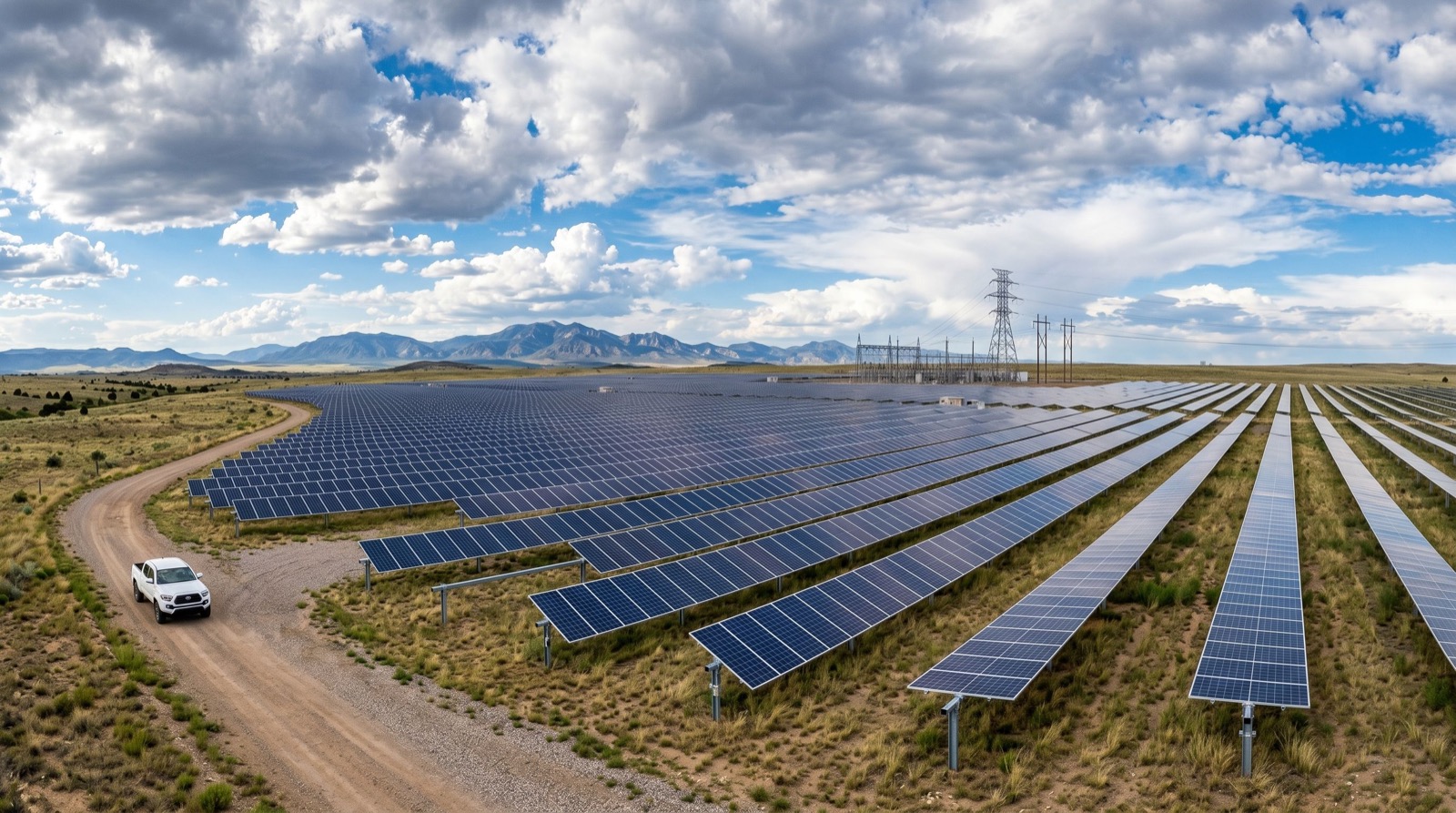
For example, a home needing roughly 3,000 watt-hours overnight would be comfortable with a 5 kWh lithium unit. Pairing storage with efficient solar panels in Pakistan ensures the bank recharges fully before each evening, which is what keeps the system reliable through long summers.
Match the battery to the inverter
Your inverter’s voltage (12V, 24V, or 48V) must match the bank. Larger homes benefit from 48V systems because they move more power with less current, reducing cable losses and heat.
What Do Solar Batteries Cost in 2026?
Prices move with the rupee and global lithium supply, but the direction in 2026 has been gently downward for lithium and flat for lead-acid. As a rough planning guide, expect lithium to sit in the mid-tier per-kWh bracket with a longer warranty, while tubular units remain the cheapest entry point.
- Entry backup (lead-acid): lowest upfront, best for occasional outages.
- Daily-cycle homes (lithium): best lifetime value, lowest cost per cycle.
- Commercial/critical loads: rack-mounted lithium with BMS monitoring.
Always buy from trusted professionals who provide a genuine warranty card and after-sales support, because a cheap unit with no backing can fail within a year.
Maintenance and Safety Tips
Lithium banks are largely maintenance-free, but placement still matters. Keep batteries in a cool, ventilated space away from direct sun. Avoid fully draining lead-acid units, and check their electrolyte levels monthly. For all chemistries, ensure the battery management system or charge controller is correctly configured.
Never mix old and new cells in the same bank, and never connect batteries of different chemistries together. A clean, labelled installation makes future servicing far safer and faster.
Common Mistakes Buyers Make
Experience on real installs shows the same errors again and again. The most expensive is buying on price alone and ending up with an unbranded cell that fails outside any warranty. The second is ignoring temperature: batteries parked in a hot, sealed room age far faster than the datasheet promises.
Another frequent slip is mismatching the battery and charge source. If the charge controller pushes the wrong voltage or current, even a premium lithium bank will underperform or trip its protection repeatedly. Finally, many buyers forget to plan for growth, locking themselves into a bank that cannot be expanded when their family’s needs rise.
A simple pre-purchase checklist
- Confirm the genuine warranty length and who honours it.
- Check the usable capacity, not just the nameplate rating.
- Verify compatibility with your inverter voltage.
- Plan a ventilated, shaded location in advance.
- Ask whether the bank can be expanded later.
Getting the Best Return on Your Battery
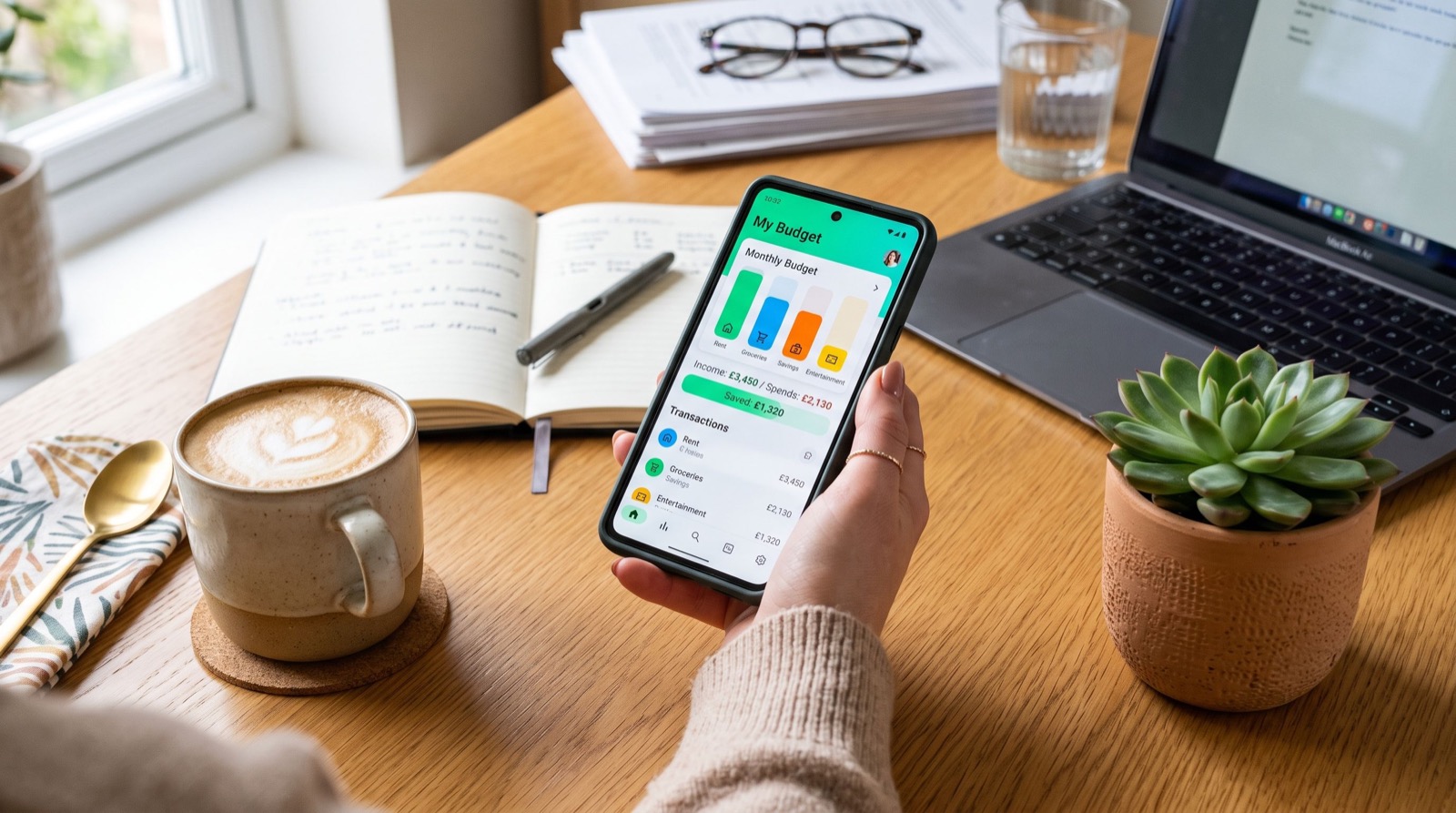
A battery pays you back every evening it keeps you off the grid. To maximise that return, keep the bank charged from solar rather than the grid wherever possible, and avoid deep discharges that shorten lead-acid life. Monitoring apps on modern lithium systems let you track state of charge and spot problems early.
Seasonal habits matter too. In summer, when air-conditioning demand peaks, prioritise charging during the brightest hours. In winter, when days are shorter, a slightly larger bank or a top-up charge keeps essential loads covered. Small operating adjustments like these can add years of useful service and noticeably improve your savings.
Frequently Asked Questions
How long do solar batteries in Pakistan last?
Lithium units typically last 8–12 years or 3,500–6,000 cycles, while tubular lead-acid lasts around 3–5 years depending on how deeply and often you discharge them. Good temperature control and correct charging extend life significantly.
Can I add batteries to an existing solar system?
Yes, if your inverter supports battery charging or you add a hybrid inverter. Many homes start panels-only for net metering and add storage later once outage patterns or tariffs justify it.
Is lithium safe for home use?
LiFePO4 is the safest common lithium chemistry, with strong thermal stability and a built-in battery management system that prevents overcharge and short circuits. Install it in a ventilated area and follow the manufacturer guidance.
How many batteries do I need for a whole-house backup?
It depends on your nightly consumption. Most medium homes manage essential loads on 5–10 kWh of lithium storage; whole-house air-conditioning backup can require considerably more.
Conclusion
The right battery transforms solar from a daytime perk into genuine energy independence. Weigh lithium’s longer life against lead-acid’s lower entry cost, size the bank around your real backup loads, and buy from a supplier who stands behind the warranty. Ready to upgrade your backup in 2026? Explore quality solar batteries in Pakistan today and build a system that keeps your home powered through every outage.