Two small pieces of technology quietly shape how well a business runs: how it knows who is on shift, and how quickly it serves the car at the window. The Secugen Hampster Pro 20 and a well-planned HME drive thru in saudi arabia solve those two problems from opposite ends of the operation.
This guide explains how each works, where they fit, and how to plan a rollout for a restaurant, coffee chain or service business in 2026. We keep it practical, with numbers to track and mistakes to dodge.
Why Pair Biometrics With Drive-Thru Operations?
Drive-thru speed depends on people. If a cashier is late, the headset crew is short and the line grows. If time cards are paper, managers argue about hours at month end.
Fingerprint login fixes the human side: each shift is recorded by the person, not by a friend with a pen. Headset and timer systems fix the customer side: each car is measured from order to hand-off. Together they give you one clear picture of labour and speed.
How Does a Fingerprint Reader Like the Hampster Pro 20 Work?
A USB fingerprint reader captures a high-quality image of a finger and turns it into a template. Software compares that template with the stored one and confirms the identity in a fraction of a second.
The US standards agency NIST publishes extensive research on fingerprint accuracy, which is worth reading if you are setting an acceptance policy for your staff.
Where it fits in a restaurant or shop
- Clock-in and clock-out at the back-office PC.
- Manager approval for voids and discounts.
- Access to the safe, stockroom or admin screens.
- Training records tied to a named person.
What to check before buying
- Sensor quality for dry or worn fingers, common in kitchen staff.
- Software development kit support for your attendance or POS software.
- Durability and a warranty that is honoured locally.
- Operating system compatibility on your existing PCs.
What Makes a Good Drive-Thru System?
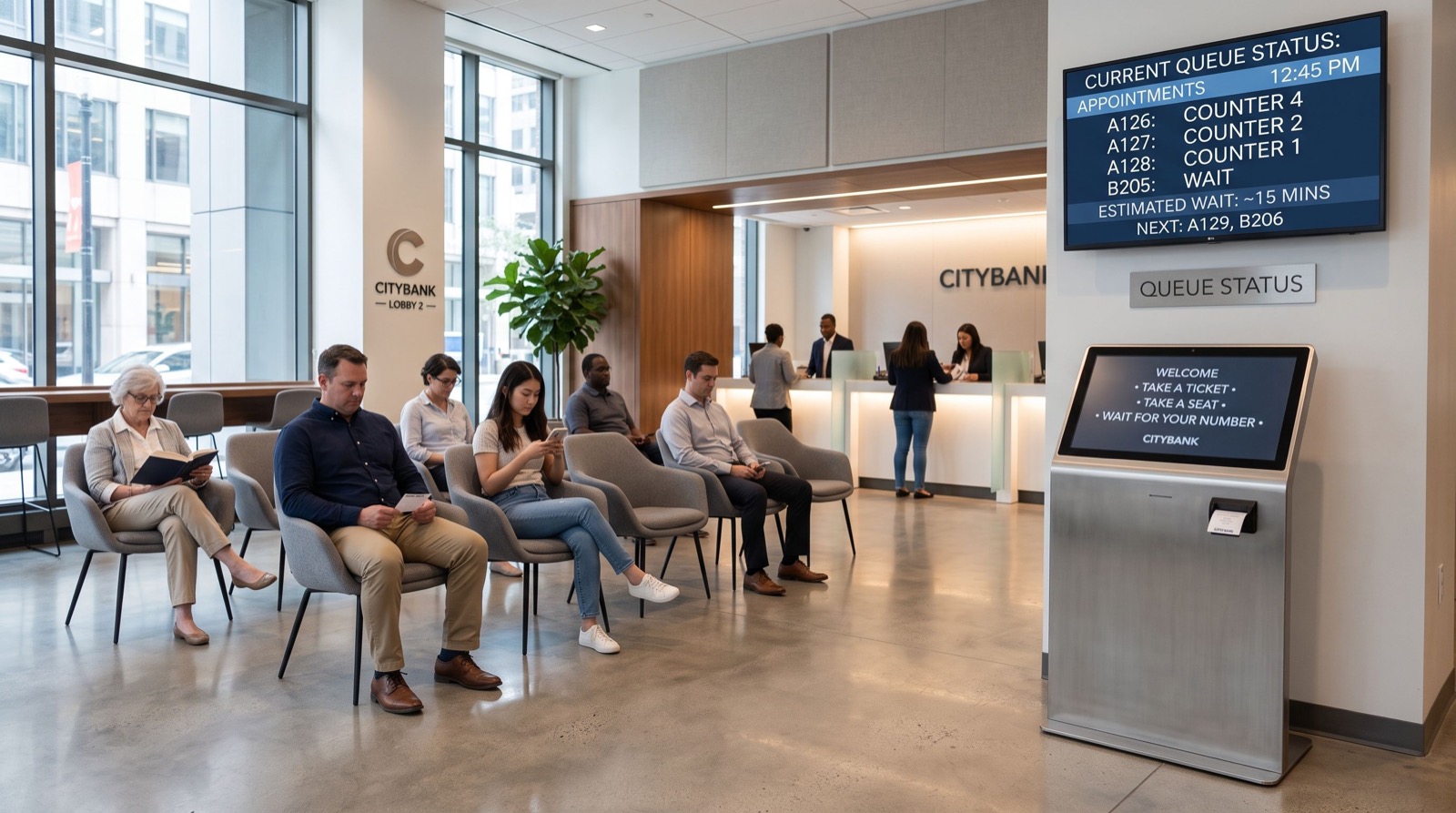
A drive-thru is a conveyor belt of cars, and every extra second at one station is paid for by every car behind it. A complete setup includes:
- Wireless or wired headsets for order takers and the kitchen.
- Outdoor speaker posts with clear, weather-resistant audio.
- Vehicle detectors that start the timer when a car arrives.
- A timer display so managers see service times live.
Industry publications like QSR Magazine track yearly drive-thru speed studies. They consistently show that audio clarity and order accuracy matter as much as raw speed.
Comparing the Two Investments
| Aspect | Fingerprint reader | Drive-thru system |
|---|---|---|
| Main goal | Verify who worked and when | Speed up and clarify car service |
| Typical users | All staff, managers | Order takers, kitchen, runners |
| Installation effort | Plug in and enrol | Cabling, loops, speaker posts |
| Return shows up in | Payroll accuracy | Cars served per hour |
| Time to first benefit | Days | Weeks |
A Practical Rollout Plan
- Week 1: enrol staff fingerprints, two fingers each, and run paper and biometric records side by side.
- Week 2: switch payroll to biometric records and fix any enrolment failures.
- Weeks 3-4: survey the drive lane, speaker positions and kitchen hand-off point.
- Weeks 5-6: install the drive-thru equipment and train crew on headset etiquette.
- Ongoing: review service times each Monday and adjust staffing for peaks.
Our original tip: enrol the two fingers on different hands. Kitchen injuries and bandages are common, and a second hand avoids a morning of manual overrides.
For installation, shortlist reliable local experts who can handle both the electrical work and the network cabling, because mixed teams often blame each other when a headset drops out.
Mistakes That Slow Results
Treating audio as an afterthought
Cheap speakers cause repeated orders, which add seconds to every car. Test audio in rain and wind before signing off.
Not measuring a baseline
If you do not record your times before installation, you cannot prove the improvement. Log a week of manual timings first.
Skipping privacy communication
Tell staff how fingerprint templates are stored and who can see them. Clear communication prevents resistance and builds trust.
Maintenance and Security Habits That Keep Systems Reliable
Both technologies reward simple routines. Neglect them and small issues become daily frustrations.
Fingerprint reader care
- Wipe the sensor window with a soft, lint-free cloth every week.
- Keep the USB cable away from kitchen heat and grease.
- Back up the template database before software updates.
- Remove leavers from the database on their last day.
Drive-thru care
- Charge and rotate headset batteries so no shift starts with a weak unit.
- Clean speaker grilles monthly to avoid muffled orders.
- Check detector loops after road works or resurfacing.
- Run a test order at open and again at the lunch rush.
Assign each routine to a named person on the rota. A task owned by “everyone” is usually done by nobody. A short checklist taped near the manager’s desk turns these habits into part of the shift, and your equipment will last noticeably longer.
Budgeting and Return on Investment in 2026
Owners usually ask how quickly equipment pays back. The honest answer is that it depends on your volumes, so build a simple model rather than trusting a headline figure.
Fingerprint attendance
Estimate the hours your managers spend correcting time sheets each month, then add any overpaid hours you can identify from buddy punching. Even modest savings per employee add up across a team of thirty.
Drive-thru
Take the extra cars you could serve per peak hour, multiply by your average ticket and by the number of peak hours per week. Subtract extra labour and running costs. If the number is comfortably positive, the project deserves a place in the plan.
Keep your assumptions conservative. A project that pays back under cautious numbers will not disappoint you later, and it gives you an honest figure to share with partners or lenders.
Frequently Asked Questions
Does a fingerprint reader store my actual fingerprint image?
Most systems store a mathematical template, not a viewable image. Confirm the storage method with your software vendor.
How many cars per hour can a drive-thru handle?
It varies with menu and staffing, but a well-tuned single lane often serves dozens of cars per hour. Measure yours and set targets from that baseline.
Can I install a drive-thru in a small outlet?
Yes, if there is space for a lane and speaker post. Layout and local permits should be checked first.
Do the two systems need to connect?
Not necessarily. Many businesses run them independently and compare reports weekly.
Conclusion
The Secugen Hampster Pro 20 gives you trustworthy staff records, and a carefully designed HME drive thru in Saudi Arabia gives you faster, cleaner service at the window. Start with a baseline, roll out in stages, and review the numbers every week in 2026. Small, steady improvements add up quickly.