Money Apps in 2026: How to Pick Tools That Actually Grow Your Balance
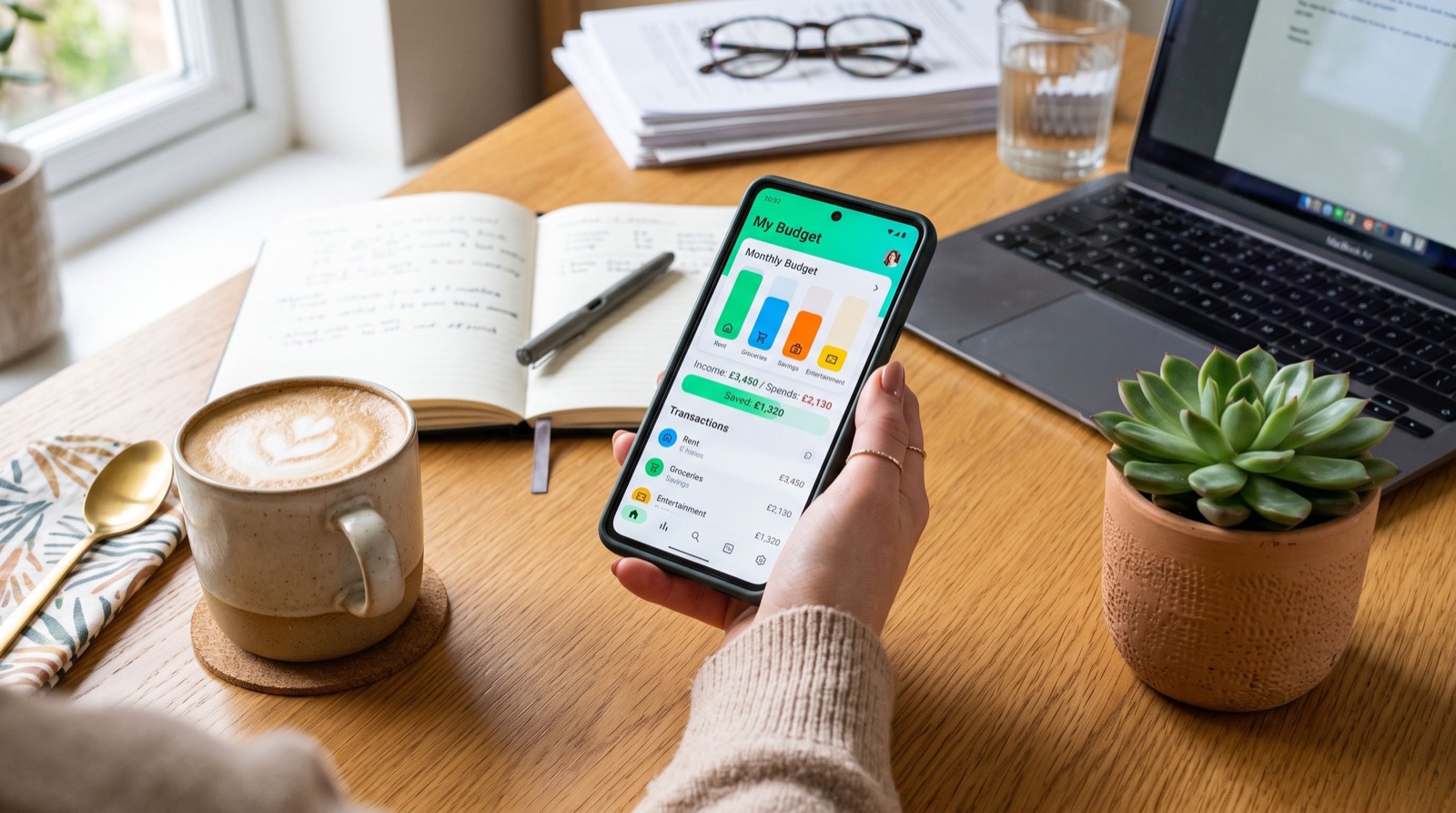
Managing money used to mean a shoebox of receipts and a monthly panic session. In 2026, a phone in your pocket can track spending, round up spare change, and nudge you toward savings without much effort. The catch is that not every download earns its place on your home screen. The right money apps quietly build wealth, while the wrong ones just add notifications and clutter.
This guide walks through how modern money apps work, which categories matter, and how to choose tools that fit your real habits. The goal is simple: fewer apps, more results, and a system you will actually stick with past January.
Why the Right Money Apps Matter in 2026
Automation is the quiet superpower behind good financial apps. When a transfer happens without you thinking about it, willpower stops being the bottleneck. That matters, because most people do not overspend on purpose. They simply lose track.
Federal data backs this up. The Federal Reserve’s 2023 survey found that a meaningful share of adults could not cover a modest emergency expense with cash or its equivalent, according to the Federal Reserve’s Economic Well-Being report. Apps that automate saving help close that gap by making the healthy choice the default choice.
The Main Categories of Money Apps
Before comparing brands, understand the jobs an app can do. Most tools fall into a handful of buckets, and you rarely need more than one from each.
- Budgeting apps categorize spending and show where cash actually goes.
- Saving and round-up apps move small amounts automatically so you barely notice.
- Payment and transfer apps send money to friends, split bills, and pay merchants.
- Cash-back and rewards apps return a slice of everyday spending.
- Investing apps let you buy fractional shares or index funds with a few taps.
If you already have a favorite in one category, resist the urge to swap it for something shinier. Consistency beats novelty when it comes to habits.
How Do You Know Which Category to Start With?
Start with your weakest spot. If money vanishes and you cannot explain where, begin with budgeting. If you never manage to save, a round-up tool removes the decision entirely. Fix one leak at a time instead of installing five apps in a weekend and abandoning all of them by Friday.
Comparing Popular Money App Types
The table below breaks down what each category does best, plus a realistic downside so you set expectations correctly.
| App Type | Best For | Watch Out For |
|---|---|---|
| Budgeting | Seeing spending patterns clearly | Requires occasional manual review |
| Round-up saving | Building savings on autopilot | Small amounts add up slowly |
| Payments | Splitting bills and quick transfers | Verify recipient before sending |
| Cash-back | Recovering value on routine buys | Rewards can nudge overspending |
| Investing | Long-term growth in small steps | Markets fluctuate; think years, not weeks |
A Simple Framework for Choosing Money Apps
You do not need a finance degree to evaluate an app. Run each candidate through a quick five-step check, and the weak ones fall away fast.
- Check the fees. Read the fine print for monthly charges, instant-transfer fees, and premium tiers.
- Confirm security. Look for FDIC-insured partner banks, encryption, and two-factor login.
- Test the interface. If it feels confusing on day one, you will not open it on day thirty.
- Match it to a goal. Every app should tie to a specific outcome, not vague “better money” hopes.
- Read recent reviews. Fresh feedback reveals bugs and support issues that old ratings hide.
Security deserves special attention. The Consumer Financial Protection Bureau regularly warns that balances held in payment apps may not carry the same protections as a traditional bank account, so avoid parking large sums where they sit idle.
What About Paying for a Premium App?
A paid plan is worth it only when it clearly returns more than its cost. If a two-dollar-a-month budgeting tool helps you cancel a forgotten twelve-dollar subscription, it pays for itself many times over. If it just adds color themes, skip it.
Original Tip: Run a 30-Day App Audit
Here is a practical habit most guides skip. Once a month, open your phone’s screen-time report and note which money apps you actually launched. Delete anything you ignored for four weeks straight. A tidy financial toolkit is easier to trust, and trust is what keeps you logging in.
Pair that audit with a quick balance check across accounts. When you review the numbers with your own eyes, surprises shrink and confidence grows. If you would rather have a shortlist done for you, browsing a curated roundup of the best money apps can save hours of trial and error.
Frequently Asked Questions
Are money apps safe to link to my bank account?
Most reputable apps use bank-grade encryption and read-only connections. Still, enable two-factor authentication, use a strong password, and pick apps that partner with FDIC-insured institutions. Never link accounts on public Wi-Fi.
How many money apps should I really use?
Two or three is plenty for most people. One budgeting app, one saving or payment tool, and possibly a cash-back app cover the essentials. More than that usually leads to neglected logins and duplicated effort.
Do free money apps make money somehow?
Yes. Free apps often earn through interchange fees, optional premium tiers, interest on pooled balances, or partner offers. That is fine as long as the core features stay useful and your data stays protected.
Can money apps help me build savings automatically?
They can. Round-up and scheduled-transfer features move small amounts without a decision each time. Over a year, those tiny transfers often add up to a real emergency cushion you never consciously funded.
Final Thoughts
The best financial toolkit is the one you barely think about because it runs in the background. Choose money apps that automate a real habit, protect your data, and tie to a concrete goal. Start with a single category, prove it works, then expand only if a gap remains. For hands-on help and reviews, working with an experienced local team or a trusted comparison site turns guesswork into a clear plan you can follow all year.